
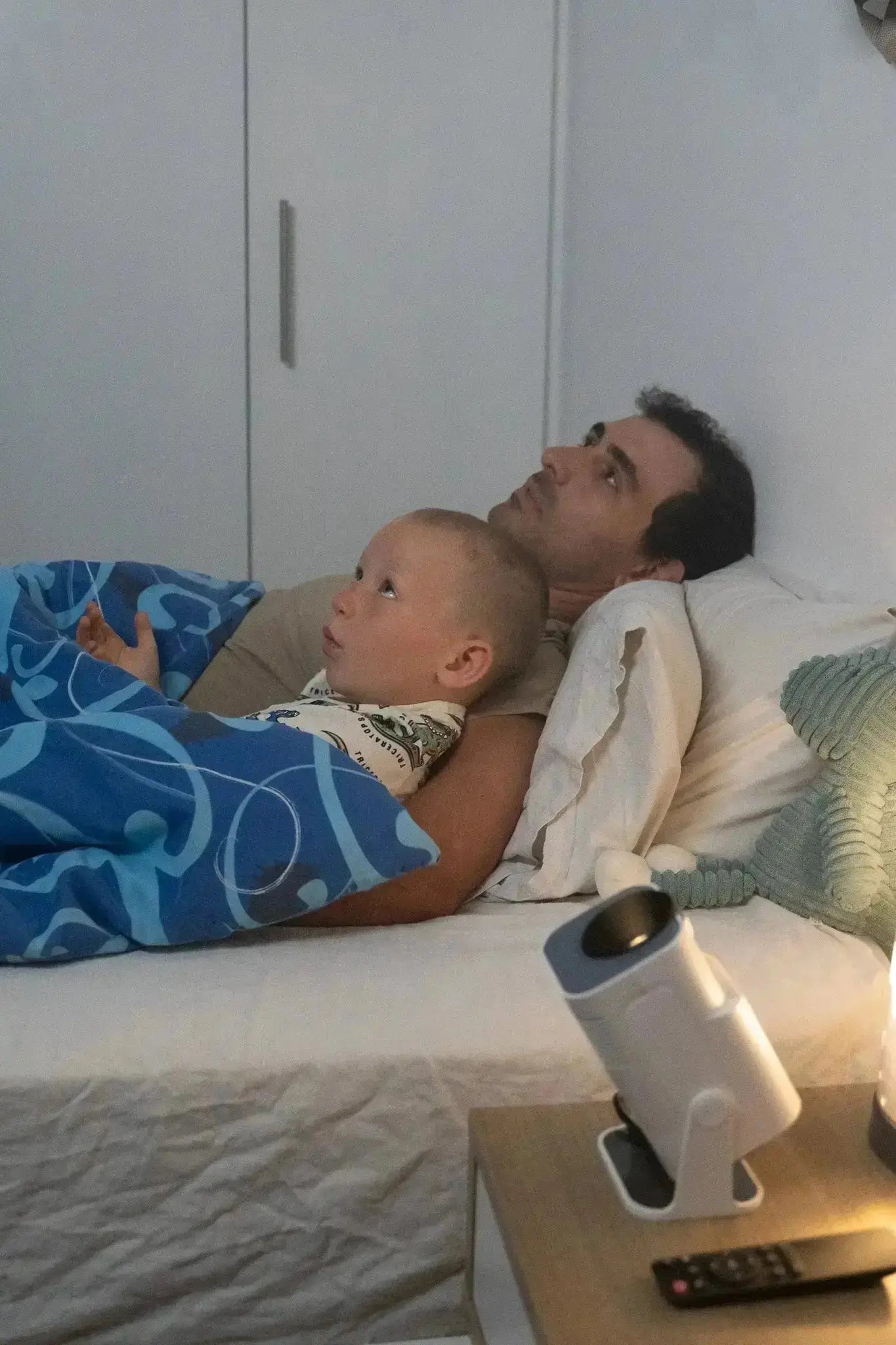
Bedtime learning for kids can be more useful than many parents expect. When children learn right before sleep, there may be less distraction, less interference, and a calmer emotional state. That makes bedtime learning for kids a practical way to support pre-sleep learning review and memory-building over time. Instead of trying to force more learning into a busy afternoon, parents can use a familiar evening rhythm to help new ideas feel more settled before sleep.
Bedtime learning for kids

Key takeaway: Bedtime learning for kids can work well when it stays calm, brief, and repeatable. Learning before sleep may reduce later distractions and give children a steady way to revisit new ideas.
This matters because young children do not only learn in the moment. They also benefit from what happens after exposure. A short review at bedtime, followed by sleep, can support children’s memory-building in ways that busy daytime learning sometimes cannot. For families looking for a low-pressure approach, bedtime learning for kids offers a realistic path that fits naturally into a calm bedtime routine for kids.
What the research says about learning before sleep
Research on sleep and memory in children suggests that timing matters. Axelsson and colleagues found that children who slept shortly after learning new words showed better retention and better generalization than children whose sleep was delayed. In simple terms, learning before sleep for kids may help the brain hold onto new information more effectively. You can read the study here: The Effect of Sleep on Children’s Word Retention and Generalization.
Peiffer and colleagues add another important point. Their work suggests that sleep can support children’s memory consolidation, especially for some types of declarative learning. That helps explain why bedtime learning for kids and sleep-based learning support can be useful during the early learning years, when foundational concepts are still being built.
Kurdziel and colleagues also found that sleep soon after learning improved memory retention in early childhood. Taken together, these studies do not suggest that bedtime should become a classroom. They suggest something more practical: bedtime can be a natural window for gentle review, bedtime review for kids, and short exposure to familiar concepts.
Why bedtime is different from other learning moments
Most of the day is full of noise, novelty, and interruption. A child may learn something at noon, then spend hours taking in unrelated information before sleeping. That can make it harder for the original learning to stay clear. Bedtime learning for kids is different because the gap between exposure and sleep is shorter. For many children, that means less competition from later experiences and helpful support for early childhood sleep and learning.

Another reason bedtime works is emotional tone. A calm bedtime routine for kids can lower stimulation and make it easier for a child to stay receptive. When bedtime learning for kids is short, familiar, and soothing, it feels less like pressure and more like connection. That emotional calm can make nighttime learning for children easier to repeat consistently.
| Learning time | Typical conditions | Main challenge | Why bedtime can help |
|---|---|---|---|
| Busy daytime | High stimulation and many transitions | More waking interference after learning | Less ideal for pre-sleep learning review |
| Late afternoon | Tiredness can rise and routines vary | Attention may drop and distractions continue | Less predictable than a bedtime routine for learning |
| Right before sleep | Calmer environment and fewer interruptions | Needs to stay gentle, not overstimulating | Can support bedtime learning for kids and memory-building routines |
How sleep may help kids remember
Parents often ask whether sleep really changes learning. Research suggests that sleep can support memory by giving the brain time to stabilize new memory traces. A word, concept, sound, or fact introduced during bedtime learning for kids may be processed further during sleep, which is why sleep can help kids remember more than many people assume.
This does not mean every bedtime lesson turns into instant mastery. Children still need repetition. But bedtime review for kids creates a helpful pattern: brief exposure, followed by rest, repeated over time. That pattern fits well with what Ozmotic Learning has already explored in spaced repetition for kids and in a calm bedtime routine for kids.
When you combine learning before sleep for kids with repetition across several nights, the effect can become stronger. That is one reason bedtime learning for kids is often more about consistency than complexity. Parents do not need to pack in lots of content. They need a rhythm that the child can revisit again and again.
What bedtime learning can look like at home
Bedtime learning for kids works best when it stays simple. The goal is not performance. The goal is exposure, familiarity, and calm repetition. A bedtime routine for learning might include one short category, a few phonics sounds, several vocabulary words, or a brief concept review. These small steps can support word retention in young children without making the evening feel heavy.
- Choose one small topic: letters, numbers, shapes, animals, or phonics sounds.
- Keep it short: 5 to 10 minutes is usually enough for bedtime learning for kids.
- Repeat across nights: repetition supports children’s memory-building.
- Stay gentle: nighttime learning for children should feel soothing, not demanding.
- End with sleep: let the bedtime routine for learning flow naturally into rest.
If parents want another useful frame, think of bedtime learning for kids as a review window, not a testing window. A child does not need to “prove” what they know every night. They need repeated contact with foundational material in a low-pressure setting.
Where Ozmotic Learning fits into bedtime review for kids
Ozmotic Learning was designed around this idea. Instead of competing with the busiest part of the day, it supports bedtime learning for kids during a predictable, gentle wind-down period. That matters because a calm bedtime routine for kids is easier to sustain, and sustainability is what makes bedtime review for kids useful over time.

The Ozmotic Learning projection-based learning tool helps parents create short, gentle learning moments through wall or ceiling projection at the end of the day. The Content library makes it easier to revisit familiar categories and concepts, while Learn the Science explains the research behind sleep-based learning support, repetition, and routine.
This second blog also builds naturally on the first one in the series, Early Childhood Neuroplasticity. If neuroplasticity explains why early experiences matter, bedtime learning for kids helps explain why timing and sleep matter too.
A simple bedtime learning rhythm parents can try
A practical bedtime routine for learning can be very light:
- Wind down first: lower stimulation and prepare for sleep.
- Review one short lesson: keep bedtime learning for kids focused and brief.
- Use visual and audio cues together: this can support attention and recall.
- Repeat the same material across several nights: repetition can help kids remember.
- Move into sleep: keep the review calm so it supports the bedtime rhythm.
This rhythm works because it respects both the child’s energy and the science of sleep and memory in children. Parents do not need to do more. They need to do the right small things consistently. That is one reason bedtime learning for kids can become a useful habit at home.
Why this learning window is worth using
Bedtime learning for kids is not magic, but it can be meaningful. It combines a calm bedtime routine for kids, a repeatable family habit, and the natural support of sleep after learning. For parents trying to support foundational skills without adding more chaos to the day, that combination can be helpful.

That is why bedtime learning for kids deserves attention. It fits family life, supports bedtime review for kids, and works with the brain’s natural learning process instead of against it. When learning before sleep for kids is calm, repeated, and followed by rest, small nightly inputs can support memory-building over time.
Share:
Early Childhood Neuroplasticity: Why Ages 1 to 5 Matter Most
Bedtime Routines for Kids: Better Sleep, Learning, and Behavior