
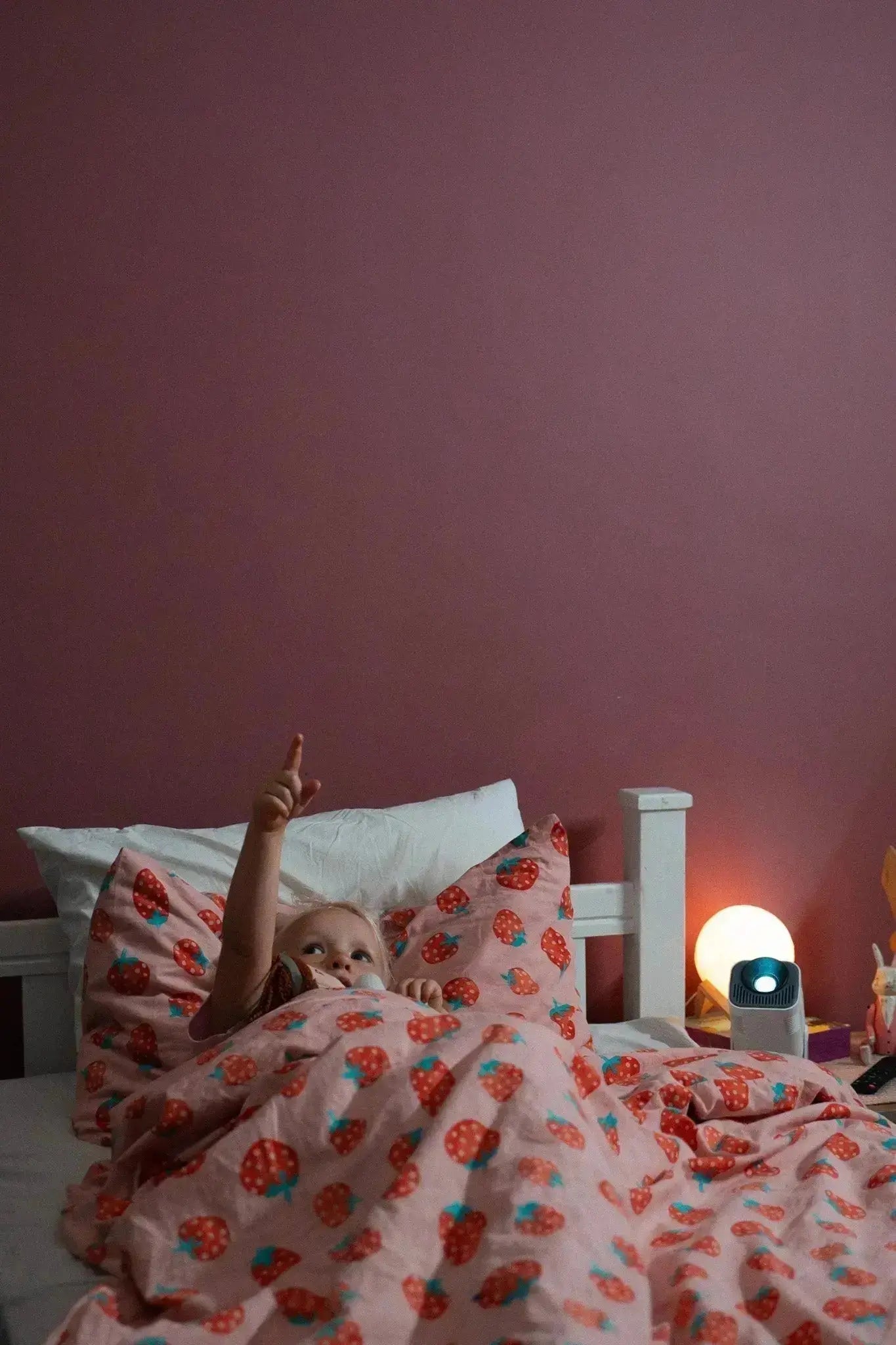
Personalized learning at home can be one of the kinder ways to support your child, especially when school feels too fast, too slow, or simply not matched to their current pace. Instead of pushing a one-size plan, you shape practice around what your child needs right now, then build from there with calm, repeatable steps.
Key takeaway: Personalized learning is not about doing more. It is about focusing on what matters most for your child, at the right level, with steady support.

Personalized learning at home
The research paper On the Promise of Personalized Learning for Educational Equity explores how tailoring instruction can support fairness in education. A key theme is “adequacy,” which means helping every learner work toward essential skills, even if different children move at different speeds.
- Start with one target: pick the smallest skill that would make tomorrow easier, such as one letter sound, one number range, or one confidence-building win.
- Match the level: keep it easy enough to succeed, with a tiny stretch.
- Use short sessions: 5 to 15 minutes is plenty for many young children.
- Repeat with intention: revisit the same skill across a few days before adding more.
- Add warm support: your encouragement is part of the personalized piece.
What personalized learning really means in real family terms
Personalized learning at home means adjusting what you practice, how you practice, and when you practice based on your child’s signals. When a child is bored, they tune out. When they feel overloaded, they resist. When they feel capable, they are often more willing to try again. Personalization helps you find that steady place where learning feels safer and more doable.
The study also highlights a common misunderstanding. Personalization is not only technology. It can be a parent noticing, “My child knows the alphabet names, but the sounds are still fuzzy,” then choosing practice that fits that need instead of repeating what already feels easy.

Why personalized learning can support equity
Some children start school with more exposure to books, language, and learning routines, while others start with fewer of those inputs. Personalized learning at home can gently support essential foundations, like early language, number sense, and attention skills, without comparing your child to anyone else.
In the paper’s framing, equity is not always equal inputs for everyone. It is giving each child the support that helps them work toward key competencies. Personalized learning at home fits this idea because parents can adapt support to what a child needs in the moment.
The part many people miss: self-regulation matters
The research warns that personalization can backfire if children are expected to self-direct without support. That is especially true for younger children. Personalized learning at home works best when you provide gentle structure, like a predictable routine, a short choice, and a clear end.
- Offer two choices: “Do you want letters first or numbers first?”
- Use simple timers: “We are doing five minutes, then story time.”
- Keep success visible: “You got three in a row. That is progress.”
- Stop before the crash: end while your child still feels capable.
This is where personalized learning at home becomes more than content. It becomes a supportive relationship that can build confidence and willingness to return to learning.

A calm bedtime routine that supports personalized learning
Many families find bedtime is the easiest place to keep learning consistent because the routine already repeats. If you want personalized learning at home to feel aligned with your evenings, keep it low stimulation and predictable.
| Routine moment | What you do | Why it helps | Example focus |
|---|---|---|---|
| After bath | Short, calm learning block | Child is settled and available | One phonics sound or counting to 10 |
| Right after | One talk-back prompt | Supports recall without pressure | “Show me the letter that says /m/” |
| Lights low | Story, prayer, or quiet chat | Transitions into sleep | Feelings words, simple retell |
| Lights out | Same closing phrase nightly | Builds consistency and comfort | “Goodnight, I love you, see you in the morning” |
If you want the learning piece to feel easier to repeat, the Ozmotic Learning projection-based learning tool is designed to support calm evenings with parent-led control. You can choose content that fits your child’s learning stage, then repeat it across nights to reinforce familiarity without adding pressure.
How Ozmotic Learning supports a personalized path
One of the simplest wins is reducing friction. Personalized learning at home is hard to keep up when it requires planning, printing, and constant setup. Ozmotic Learning makes it easier to keep the routine consistent because lessons can be selected and repeated in a predictable flow.
To build a just-right path, start with a small set of lessons and repeat them for a week. Then adjust based on what you notice. If your child is moving through the lesson comfortably, add one new piece. If they are struggling, lower the difficulty and keep the same theme for longer. You can explore lesson options on the Content page, and see the learning approach on Learn the Science.
Common pitfalls and how to avoid them
Doing too much at once: personalization is not piling on. Keep the target small so your child experiences quick wins. Personalized learning at home should feel lighter than school, not heavier.
Chasing equality instead of adequacy: your goal is not to match another child’s timeline. Your goal is steady progress toward essential skills, with confidence intact.
Letting tools replace connection: tools can help, but relationship is the glue. Sit nearby, ask one gentle question, and celebrate effort. That human support is part of what makes personalized learning at home feel safe and sustainable.

If you want help choosing the right starting point
If you want help matching lessons to your child’s learning stage or goals, reach out here: Contact. Personalized learning at home works best when it feels calm, clear, and consistent, and when your child feels supported along the way.
When you personalize with care, you are not only supporting your child’s learning. You are also helping learning feel more approachable, one small step at a time.
Share:
Regular sleep schedule for toddlers: Social skills start here
Early reading intervention: Simple phonics wins at home now!