
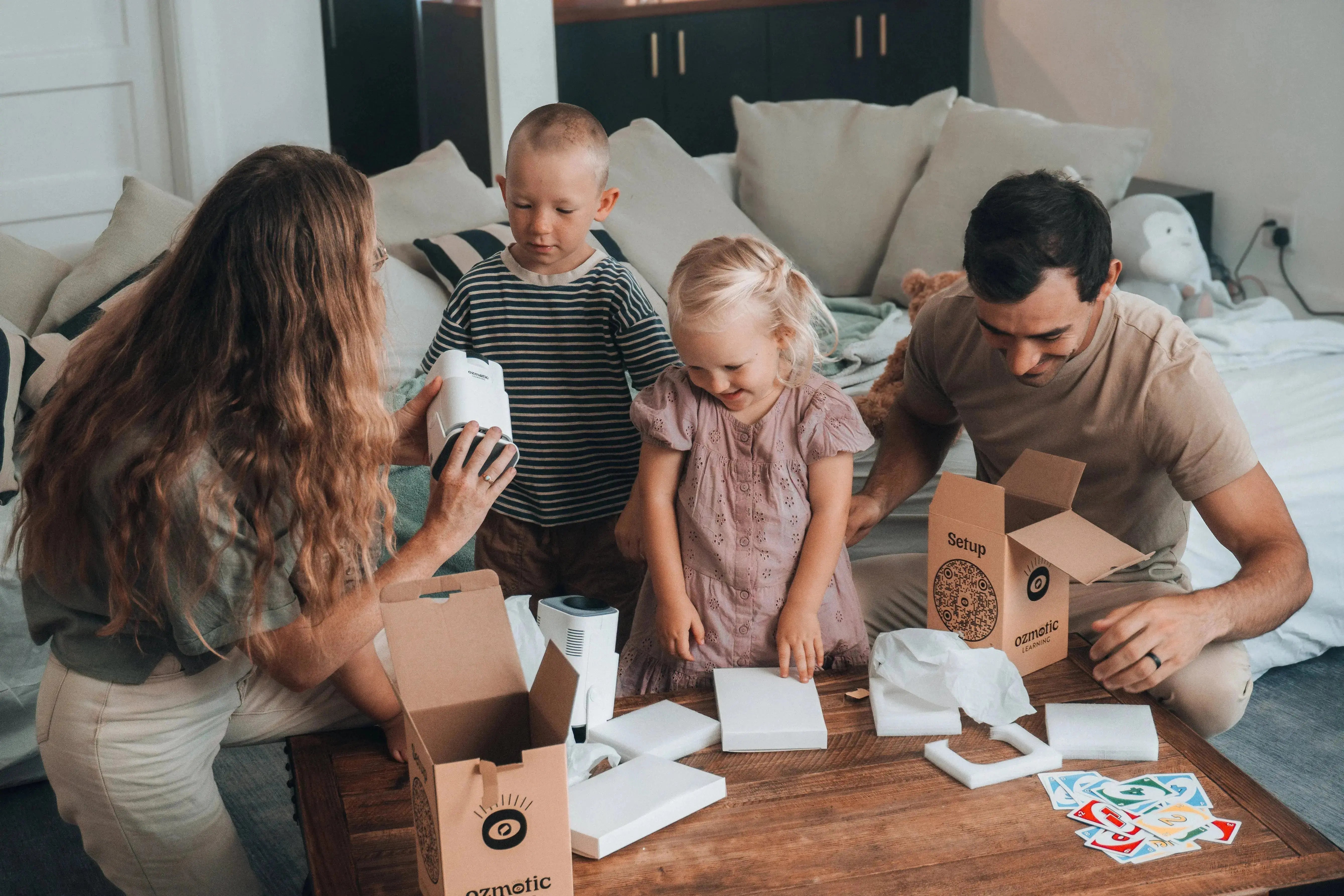
Audio visual learning for toddlers can be a gentle way to support early language, especially when you keep it short and turn it into a conversation. If your child is in the early learning years, the right mix of visuals, clear audio, and parent interaction can help make vocabulary and comprehension practice feel playful and easier to repeat.
Audio visual learning for toddlers
| What your child sees and hears | What it can support | How you make it interactive |
|---|---|---|
| Simple themed visual lesson | Vocabulary and concept labels | Pause and ask “What is that?” |
| Clear narration and slow pacing | Listening and comprehension | Repeat the key word together |
| Short story structure | Retelling and sentence building | Ask “What happened first?” |
Key takeaway: Audio visual learning for toddlers works best when parents participate, repeat key words, and invite children to talk back.

What the preschool study observed
The qualitative study “The Use of Audio-Visual Media to Improve Early Childhood Language Development” observed 20 preschool children in an Indonesian preschool setting using themed audio-visual materials. Based on interviews, observations, and notes, educators reported improvements in vocabulary, comprehension of instructions, and simple sentence expression, with higher engagement and less boredom during learning. You can view the study here: The Use of Audio-Visual Media to Improve Early Childhood Language Development.
It is important to note this was a small, qualitative study. Still, the takeaway is practical for parents: when children can see and hear the same idea together, it may help language learning feel easier, more enjoyable, and more memorable.
How to choose content that supports language, not distraction
If you want audio visual learning for toddlers to support speech and understanding, the content should be calm, clear, and age-appropriate. Fast edits and noisy visuals can overwhelm. The goal is to create space for your child to notice, respond, and repeat.
- Keep it short: 3 to 8 minutes is often enough for a focused session.
- Pick one theme: household items, animals, feelings, nature, or routines.
- Look for clear language: slow narration and simple sentences.
- Prefer repeatable lessons: children often enjoy familiar content, and repetition can help.
For trusted, practical guidance on using media with young children, the American Academy of Pediatrics recommends focusing on content quality and co-viewing, not only total time. AAP guidance on the “5 C’s” of media use is a helpful place to start.

Turn watching into talking, the 60-second talk-back method
The study’s classroom success included retelling and active participation. At home, you can do a toddler-friendly version. This is the part that makes audio visual learning for toddlers feel like real language practice, not passive watching.
- Name it: “That is a window. Window.”
- Repeat it: “Big window. Window open.”
- Point it out: “Can you show me the window?”
- Invite a sentence: “The window is…” pause and help if needed.
- Celebrate effort: “I love how you used that word.”
If you want more parent-friendly prompts for building sentences and conversation skills, the NHS has a useful guide for chatting and building sentences with young children. NHS tips for chatting and building sentences.
Where Ozmotic Learning fits into a calm bedtime routine
Many parents want the benefits of audio visual learning for toddlers without relying on handheld screens late at night. That is where a projection-based learning approach can feel more aligned with a calm home routine. The Ozmotic Learning projection-based learning tool is designed for calm bedtime use, helping families create guided learning moments while keeping the environment soothing and consistent.
To plan a simple week of repeatable lessons, explore Content. If you want the thinking behind calm routines and bedtime learning, visit Learn the Science.

A simple routine that supports language practice without overstimulation
Audio visual learning for toddlers works best when it is part of a predictable flow. This routine keeps the session short, adds a talk-back moment, and protects the wind-down into sleep.
| Routine moment | What you do | Language focus | Example prompt |
|---|---|---|---|
| After bath | Short guided lesson | Vocabulary and concepts | “Show me the chair.” |
| Right after | Talk-back minute | Sentence building | “The chair is…” |
| Story time | One short story | Retelling and sequence | “What happened first?” |
Common mistakes and quick fixes
Letting it run too long: end while your child is still engaged. Audio visual learning for toddlers is usually most helpful in small doses.
Skipping conversation: the talk-back moment is where language practice becomes more interactive. One question is enough.
Too many new words at once: pick 3 to 5 target words for the week and repeat them across daily life.

If you want help choosing the right starting point
If you are unsure which lessons suit your child’s learning stage, or you want help building a calm bedtime routine that supports language practice, reach out here: Contact.
With short, interactive sessions, audio visual learning for toddlers can support vocabulary, comprehension, and confidence, and it can feel like a warm part of family life rather than a separate learning task.
Share:
Personalized Learning for Kids: Spark Interest and Build Confidence
Early Childhood Neuroplasticity: Why Ages 1 to 5 Matter Most